
By Julie Golob
Summer is here, and it can be an odd couple of months for parents. Every family situation is different, but most families are navigating a change in routine with school out. Perhaps your kids will be spending time elsewhere. Are they hanging out at friends’ houses or with a grandparent? Are you co-parenting? Maybe your teenager or another you hire as a sitter is holding down the fort. It could be a combination of all of the above that varies week by week until school starts once again.
When we think back to our summers as kids, for most of us, summer represented freedom from schedules, tests and structure. Summer can also be a time of boredom, especially if your children have limits on screen time or summer heat waves keep kids indoors. The combination of freedom, idleness and curiosity is a recipe for things to go wrong when it comes to firearms in the home.
Secure them every time.
The first step is to ensure your firearms are properly secured. That means every single time you are not actively in control of them. Firearms should be unloaded, separate from ammunition and securely stored away from any potential curious minds or sticky fingers. Only trusted adults should have access to them. If you don’t have a way to secure your firearm, the NSSF®’s Project ChildSafe® program partners with law enforcement agencies and other organizations all across the country to give away free gun locks. Visit Project ChildSafe’s Safety Kit resource page to find a local lock partner where you can pick up a free cable-style gun lock, no questions asked.
Your house. Your rules.
In addition to properly securing firearms, Summer is also a good time to talk to your kids about firearm safety and establish rules and expectations. Just because your child has not asked about guns directly doesn’t mean that they aren’t curious about firearms. Project ChildSafe has videos and other resources, including a Child Safety Pledge, to help you start the conversation, whether your child is 3 or 13.
Let your child ask questions about firearm safety and check their understanding by asking questions yourself. If they know you have firearms, be candid. Tell them that the firearms are securely stored and are not to be touched. Talk with your kids about “off-limits” zones in the house, whether that’s your bedroom, an office or a basement where firearms may be stored.
Their house. Your rules.
If your children will be spending time at other people’s homes, there’s a chance they could be exposed to firearms — whether or not you have firearms in your own home. Even if it’s not your house, your children need to know and follow your rules: If they come across a firearm, they should avoid it, not touch it and contact you or another trusted adult immediately.
Have conversations with other parents or caregivers on secure storage. It can be a sensitive topic, but an important one for everyone’s sake. You can break the ice by talking about how your family is discussing summer safety and, with that, the importance of gun safety.
Curiosity is a natural part of childhood. Now is the time to have an important and honest conversation about firearms frequently. The more you normalize discussing firearm safety, your rules about guns and taking responsibility for securing your firearms, the safer your family and everyone around you will be.
Julie Golob is a professional shooter, veteran, author, educator and media personality with more than 175 championship titles across seven shooting disciplines. A former member of the U.S. Army Marksmanship Unit, she shares her passion for firearm safety, competition, hunting and conservation through writing, speaking and digital media. Learn more at juliegolob.com




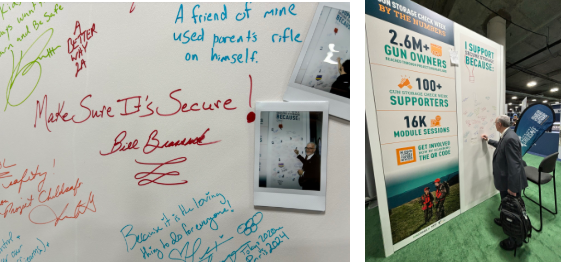

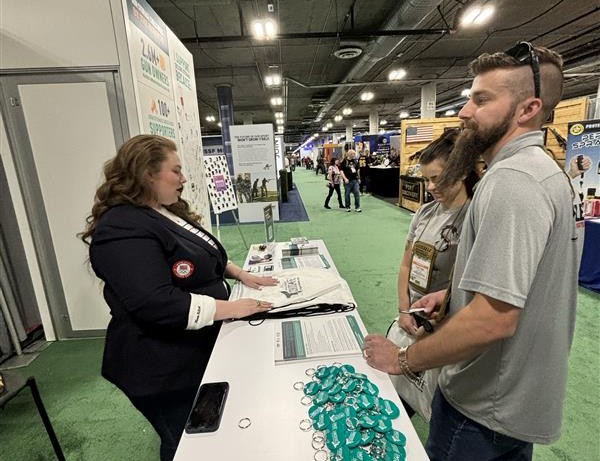
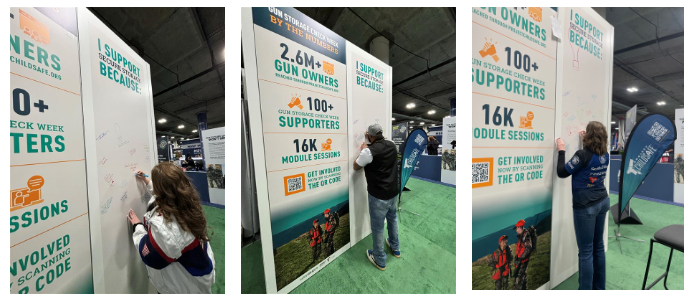
 All of us at Console Vault are proud to partner with Project ChildSafe to celebrate and support National Night Out—a special event dedicated to building stronger, safer neighborhoods and expressing our gratitude to the law enforcement officers who work tirelessly to protect us.