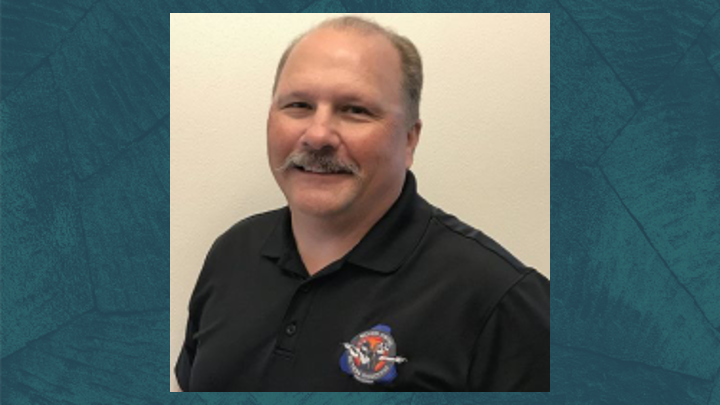
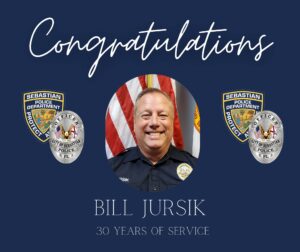
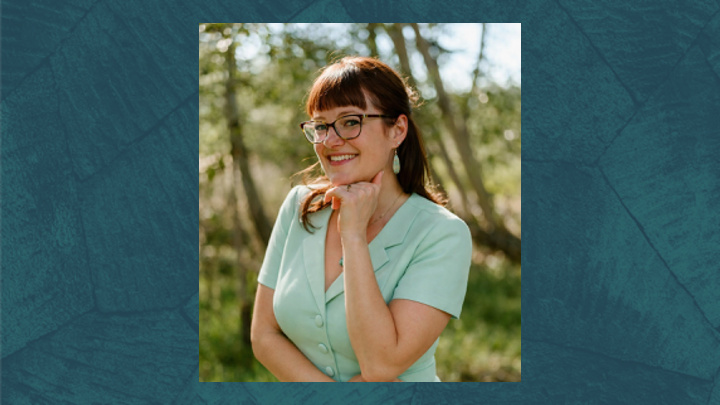
PROJECT CHILDSAFE PARTNER PROFILE: Officer Bill Jursik


Name: Officer Bill Jursik

Department: Sebastian Police Department

  1. Over the past 20 years of partnership with Project ChildSafe®, how do you assess the effectiveness of firearm safety efforts?

The Sebastian Police Department’s partnership with Project ChildSafe spans over two decades. During this time, the department has continuously distributed firearm safety locks and educational materials to the community. The results speak for themselves: to date, the community has not experienced an accidental death related to an unsecured firearm. This outcome highlights the undeniable effectiveness of consistent engagement, education and access to safety devices. Programs like Project ChildSafe build trust and strengthen the bond between law enforcement and the community we serve.

  1. How does your agency distribute Project ChildSafe locks and materials locally?

The Sebastian Police Department makes sure that free firearm cable-style locks and educational materials are always accessible to the community. These resources are available in the department’s lobby for anyone seeking – No questions asked. Additionally, each year during the National Night Out event, the department features Project ChildSafe materials prominently in the community displays. This event serves as an opportunity to educate families and reinforce the importance of responsible secure storage and safety.

  1. What impact have free gun locks and safety resources had in your community?

The most significant and measurable impact has been the complete absence of accidental deaths related to unsecured firearms in the community. This achievement reflects the importance of providing free tools and resources to encourage safe firearm practices. Beyond the statistics, programs like Project ChildSafe foster a culture of responsibility and safety, protecting families and reinforcing the trust between law enforcement and residents.

  1. How can people get more involved in promoting firearm safety nationwide?

The Sebastian Police Department encourages everyone — law enforcement agencies, community organizations and individuals — to actively support programs like Project ChildSafe. Getting involved can be as simple as spreading awareness by sharing information about firearm safety programs in your community or partnering with local agencies to distribute safety materials. Additionally, educating friends, family and neighbors about the importance of responsible firearm storage can have a profound effect on safety nationwide.

  1. What misconceptions about firearm safety are common, and how does your agency address them?

One common misconception is that accidents only happen to those who are careless. In reality, accidents can occur in any household without proper firearm storage practices. The Sebastian Police Department addresses this by making firearm safety resources easily accessible and emphasizing the importance of consistent, secure storage at every opportunity, such as community events and public announcements.

  1. What tips do you have for new gun owners regarding safe storage and handling?

For new gun owners, the Sebastian Police Department emphasizes the importance of using a gun lock or safe to prevent unauthorized access. Storing ammunition in a separate, secure location from the firearm is also a key component of safe firearm ownership. Additionally, taking firearm safety courses is highly recommended to ensure proper handling and storage practices. Finally, educating family members who may interact with firearms about safety protocols is another critical step in preventing accidents and ensuring responsible gun ownership.

We encourage everyone — whether you’re a gun owner or community leader — to take action by promoting responsible firearm storage and safety education. Together, we can make a difference.

For more information about Sebastian Police Department’s upcoming safety events, visit the department’s website.

You can review and download Project ChildSafe’s many educational resources through the program’s educational resources.

Industry and Gun Owners Can Champion Gun Safety Together


By Keri McIntosh


The last thing any manufacturer — or retailer of any product — ever wants to see is their product being misused or somehow ending up in the wrong hands. That’s why Davidson’s Inc. has joined so many other members of the firearms industry in supporting NSSF®’s Project ChildSafe® program, and why we encourage everyone to participate in Gun Storage Check Week®, happening right now, June 1–7.

We’ve been proud partners of Project ChildSafe for half a decade, largely because this industry-created program directly matches our company principles related to safety, security and responsibility. It’s a meaningful way to contribute to firearms safety and the well-being of communities across the U.S.

It’s a real privilege to be part of an organization that has distributed more than 42 million free gun locks all across the country. We believe if the proper tools are given to consumers upon the purchase of their firearm, they can immediately take their purchase home and store their firearm securely. Considering that any single one of those locks could help prevent an accident or tragedy or even save a life — how could we not want to be a part of it?

That’s where we also want to offer some kudos to our fellow industry members. When government grants for Project ChildSafe ran out in the early 2000s, it was the members of this industry that stepped up to continue funding the program.

Going forward, however, I do think our industry can (and in many cases does) go beyond providing funding. We can do even more to be the voice of genuine firearm safety. We can do even more to encourage all gun owners to take the steps that keep guns out of the hands of criminals, make our homes, neighborhoods and communities safer, help prevent accidents and even play an important role in preventing suicide — one of the leading causes of death for the veterans who have served our country, and for the young people who are its future.

That starts with the sharing the tenets of Gun Storage Check Week. Davidon’s is committed to joining with NSSF and Project ChildSafe to remind all gun owners to “Make Sure It’s Secure.®” Right here and now, I encourage every gun owner out there to take a moment and:

  • Verify your firearms are securely stored, unloaded and separate from ammo.
  • Think about your current gun storage system in the context of how your living or family situation may have changed in the past year, or whether someone in your home might be at risk of a mental health crisis. If you’re looking for guidance, walk through Project ChildSafe’s Gun Storage Check Module.
  • Take the steps to upgrade your storage system to ensure no one can access your firearms without your authorization. You can find great suggestions on gun storage options for your lifestyle here.

Finally, I also want to put the challenge out to my fellow members of the firearms wholesale and retail industry, along with the manufacturers, to help increase the visibility of Gun Storage Check Week by downloading the Promotional Toolkit from NSSF and putting these tools to work.

At Davidson’s we know we’re not alone in championing firearm safety and secure storage. We’re proud to be part of an industry that works hard to educate gun owners everywhere on what they can do to help prevent accidents, thefts or misuse. Let’s all raise the noise level on this — together.


Keri McIntosh is the Director of Operations at Davidson’s Inc. and Davidson’s Gallery of Guns.

Strengthening Firearm Safety Within Communities


By Patrick Lopez

If you didn’t grow up around firearms or see people in your family or community who look like you using them, knowing where to start can feel overwhelming. It may seem like you have to figure it out on your own, but you don’t.

Every journey into firearm ownership starts with safety, and no matter where you are in that journey, there are communities and resources designed to support you along the way. That’s where organizations like Asian Pacific American Gun Owners Association (APAGOA) comes in.

Safety, education and community are at the core of APAGOA’s mission, and the foundation of responsible firearm ownership and Asian Pacific American Heritage Month is a meaningful time to reflect on that work. While this month celebrates the history and contributions of Asian Pacific American (APA) communities, it also creates space to highlight the importance of representation and access — including in conversations around firearm ownership and safety.

For APAGOA, this means ensuring APA firearm owners have access to the resources, education and community they need to use and store their firearm safely and responsibly, year-round. A key part of that mission is representation, both in who delivers safety education and how it is shared. APAGOA helps bring this to life by making firearm safety education resources accessible across its platforms, hosting range days for hands-on learning and amplifying voices within the community through tutorials and shared experiences. These efforts create a space where people can learn from others who share similar backgrounds and perspectives.

But representation goes beyond visibility — it also means reducing barriers to understanding. Language can be one of those barriers.

With the APA community encompassing over 100 languages APAGOA has found creative ways to make safety guidance more approachable. One example is its firearm safety rule T-shirts, which translate the four firearm safety rules in several different languages such as Tagalog, traditional and simplified Chinese, Japanese, Korean and Vietnamese. These tools help ensure that safety messages are not only visible, but also understandable and easy to share within families and households.

Representation can also simply be putting a name to a face and hearing their story. This month, APAGOA is highlighting the voices and experiences of its community through an ongoing interview series. These stories reflect the experiences and thought leadership within the APA firearm-owning community.

Here’s what some members shared:

Tell us a little about who you are.

“…I’m a Chinese American born in the 1980s, and I was raised in Tacoma, Wash. My parents immigrated to Washington as teenagers and met when they were young, which shaped much of my upbringing and perspective. I grew up actively involved and working in churches and Christian nonprofit organizations, which instilled a strong foundation in service and community. Over time, I developed an interest in photography and marketing, eventually turning those into professional pursuits. For the past decade, I’ve worked in the firearms industry, where I’ve combined my creative background with hands-on experience in a highly specialized field.” – Gabriel Tam

What’s a top firearm safety tip you can share?

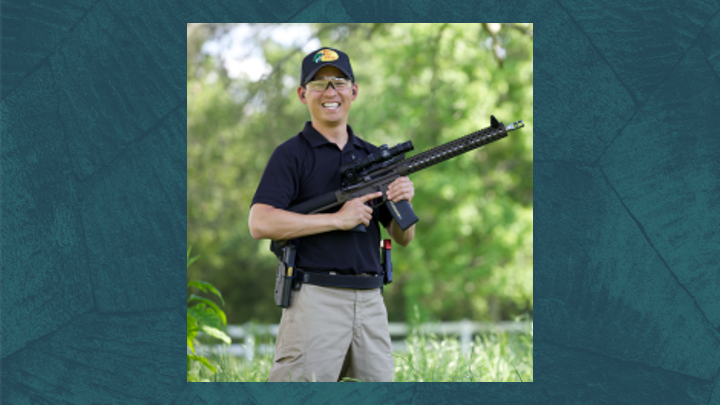
“Get a pair of electronic hearing protection. Being able to hear your instructor, your friends and your surroundings not only increases the enjoyment of shooting, but it is also safer in case you need to hear something in your surroundings. There are many great electronic ear pro-options at a variety of budget price points.” – Chris Cheng, History Channel’s Top Shot Season 4 Champion in Silicon Valley, with roots as a self-taught amateur competitor.

“Always know and practice your general firearm safety rules! Accidents happen when you get too comfortable!” – Tony Pham, Vietnamese American, USMC VETERAN, Firearms Instructor and Content Creator.

“Train, train, train!” – Kenny Nguyen, FPS Kenny

What’s an exciting firearms-related project or initiative you’re working on?

“Coming up with a curriculum for firearms to be used in martial arts schools.” – Conrad Bui, Vietnamese American Doctor of Chiropractic and martial arts junkie.”

You can explore the interviews more in-depth here.

At its core, APAGOA’s work is about educating and building confidence, connection and a shared commitment to firearm safety and I’m happy to use Asian Pacific American Heritage Month as an opportunity to celebrate that progress and continue sharing APA stories.

Patrick Lopez is the Founding Board Member and President of APAGOA.

May is Mental Health Awareness Month: We All Have a Role to Play in Firearm Suicide Prevention


By: Frances Arias
American Foundation for Suicide Prevention, Senior Manager, Special Projects

You don’t need a mental health background to save a life. Range safety officers, retailers, community educators, coaches, faith leaders and family members –– we all have a role to play. You just need to be willing to have an honest conversation, be aware of mental health and crisis resources to be ready to share them and show up for the people around you. A big part of that also involves taking action to ensure firearms aren’t accessible to someone who may be experiencing a mental health challenge.

Responsible firearm ownership is a commitment, not a checklist. As a firearm owner and former military spouse, I came to understand early that responsible ownership isn’t just about the firearm. It’s a reflection of how seriously you take the wellbeing of yourself and the people around you. That reflection became deeply personal when I lived through a firearm suicide crisis involving someone I loved. It changed how I show up –– as a firearm owner, and as someone committed to owning my role in firearm suicide prevention.

Suicide is one of the leading causes of death in the United States, and firearms are involved in more than half of all suicide deaths. There is no single cause of suicide, but we know that risk increases when conditions like depression, anxiety or substance use or misuse go unaddressed –– and when a firearm is easily accessible. We can’t always see a crisis coming, but storing firearms securely every day, not just during difficult times, is the most reliable way to protect ourselves and those around us from suicide. Secure storage creates the space for a crisis to pass and for help to reach someone in time. Research shows that when a chosen method of suicide is not accessible, most people will not move on to another method in a moment of crisis. Suicide is often preventable and we can help to prevent suicide by following secure storage strategies.

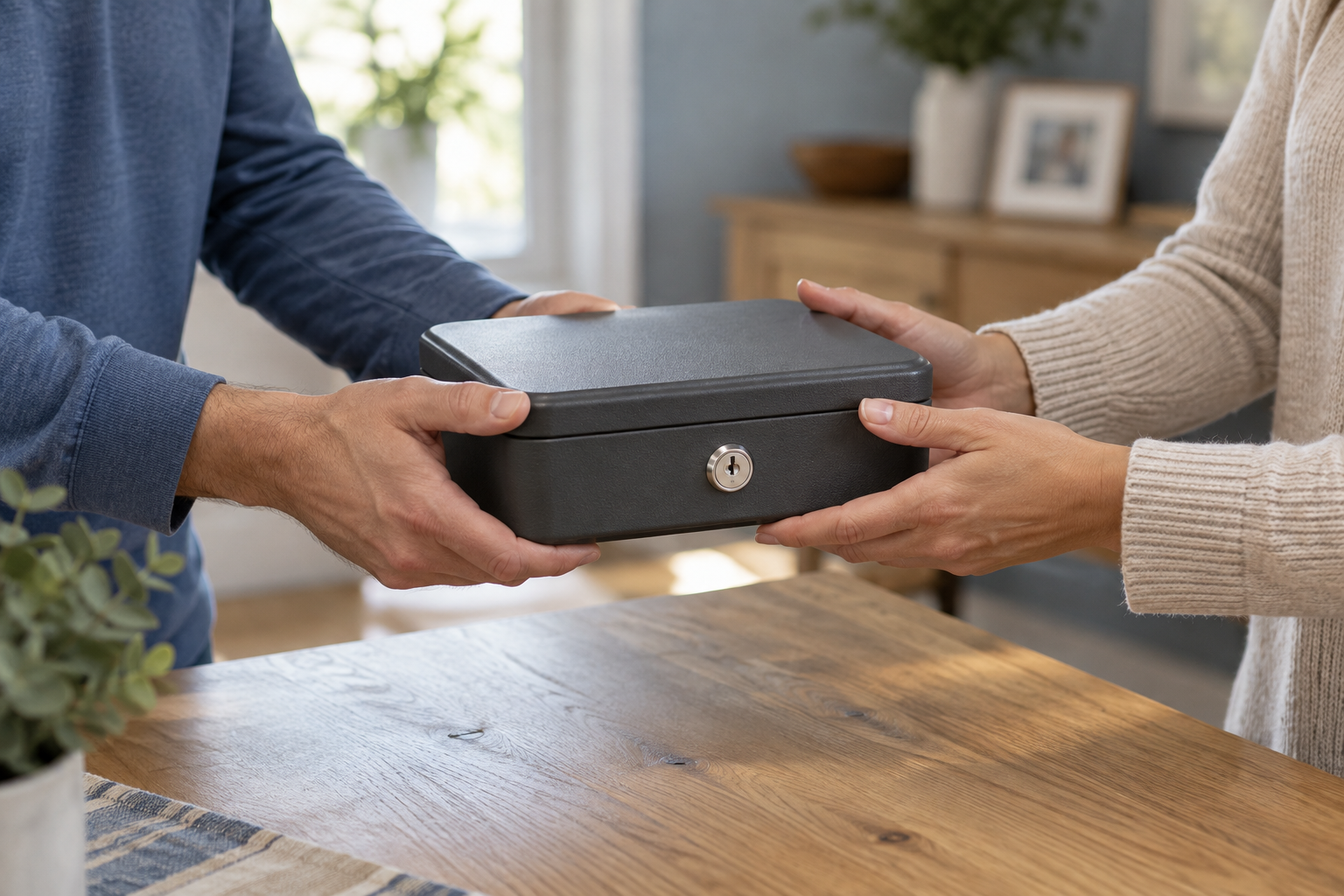
There are three straightforward strategies to securing your firearm safely: lock, limit and temporarily remove.

  1. Lock means storing firearms in a locking device such as a safe, unloaded and with ammunition locked away separately.
  2. Limit means reducing access during vulnerable periods –– changing safe combinations, removing keys or giving access to a trusted person for safekeeping.
  3. Temporarily remove means getting firearms or all ammunition out of the home temporarily when someone is going through a hard time, even if you are unsure if they are thinking of suicide or not. I store my own firearms in an electronic lock box, unloaded, and separately from my ammunition. It’s a simple habit, but one I’m intentional about, not just because the research supports it, but because I know firsthand what’s at stake when a firearm is within reach during a moment of crisis.

If you believe someone is thinking about suicide, trust your gut, assume you are the only one who will reach out and ask them directly if they are thinking about suicide. Research shows that directly asking someone if they’re thinking about suicide won’t put the idea in their head or push them to act on it. In most cases, they’ll feel relieved that someone cares enough to bring it up.

Firearm safety and suicide prevention aren’t separate issues. They’re part of the same commitment to protecting ourselves and the people we care about. Visit afsp.org/firearms to find resources, start conversations and learn how to help someone who may be at risk.


Frances Arias is the Senior Manager of Special Projects at the American Foundation for Suicide Prevention. Frances primarily works on firearm suicide prevention and suicide prevention in the construction industry and corrections systems.


This Spring, Commit to Conservation and Fair Chase


By Jodi Stemler
Policy Consultant, Boone and Crockett Club

April is the month we celebrate Earth Day, but the reality is hunters have had a deep connection to conservation and our great outdoors for generations. That conservation ethic — grounded with a code of principles called Fair Chase — helped restore America’s wildlife and wild places a century ago and sustain them to this day. However, the future of hunting and the conservation of wildlife in North America depends on the next generation of hunters upholding these principles. For those new to hunting, spring is the best time to plan for next year’s hunting season, and the Boone and Crockett Club’s online Fair Chase and Hunting Ethics course teaches this foundation before they head to the field.

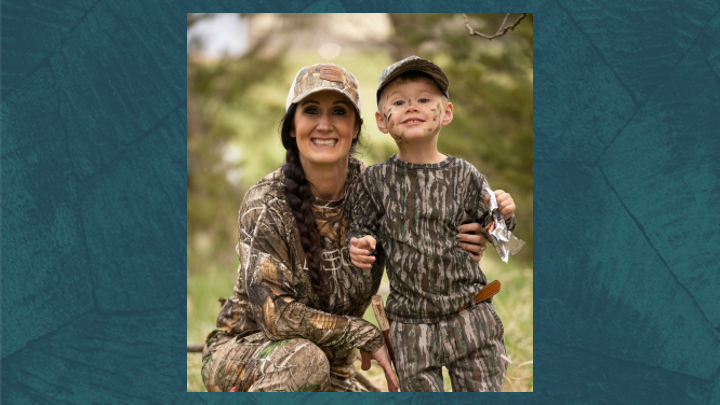
New hunters in all states need to take a hunter’s education course that provides top level information about our conservation history and teaches about hunting regulations and safety. In addition, Project ChildSafe® has an interactive Future Hunter’s Pledge module for parents and kids to go through together to learn and discuss firearm safety and responsible hunting.

The Fair Chase and Hunting Ethics course created by the Boone and Crockett Club adds to these core curriculums. The approximately hour-long module develops a stronger foundation of safety, conservation commitment and ethics that will enhance the individual’s hunting experience while ensuring the future of our hunting traditions. The free course walks through the experience of two new hunters who learn about the rich tradition of Fair Chase, helping them understand responsible and ethical hunting. Upon successful completion of the course, students receive a certificate of achievement and a free “Hunt Fair Chase” challenge coin to carry with them as a reminder of their commitment to ethical hunting.

“The concept of Fair Chase is just as important today as it was over a century ago,” said Tony Schoonen, CEO of the Boone and Crockett Club. “Most Americans are neither pro-hunting nor anti-hunting, most are on the fence. As hunters, we are all ambassadors for our sport. When we hunt ethically, we will garner more support from the public and help ensure our hunting heritage continues for generations into the future.”

Visit learn.boone-crockett.org to take the course.

With a degree in wildlife, Jodi Stemler brings a foundation in ecology to her freelance writing and her work as a communications and policy consultant for national hunting conservation organizations, including the Boone and Crockett Club. She lives in Colorado with her husband, daughter and bird dog. They love to hunt birds and big game across the West.

Spring Into Conservation and Safety: Teaching Responsibility This April


By Ryan Brock, Ph.D.
Youth Education Coordinator, Wild Sheep Foundation

April is a time when conservation takes center stage. With Earth Day, Arbor Day and a renewed focus on wildlife and natural spaces, it’s a season that reminds us of our shared responsibility to care for the world around us. As the Youth Education Coordinator for the Wild Sheep Foundation, I see this month as an opportunity to expand that idea of stewardship — beyond the landscape and into our homes and daily habits.

Spring is also a time associated with becoming more active as we leave behind the winter months and get outside. Longer days and warmer weather create the perfect opportunity to introduce youth to outdoor traditions, including the shooting sports. Whether it’s a first trip to the range or continued practice to prepare for a fall hunt, these experiences can be both meaningful and beneficial. Shooting sports offer more than recreation and mentor/youth bonding; they can help build concentration, reduce stress and improve physical coordination, balance and strength.

With these opportunities, however, comes an essential responsibility: firearm safety.

Every trip to the range is also a chance to teach and reinforce safe firearm practices. That education doesn’t begin at the range. It starts at home. When a child sees a firearm being removed from a locked safe, observes how it is transported and watches how it is handled during and after use, they are learning. Young people often absorb more from what we do than what we say, which makes modeling safe behavior critical.

Organizations like Project ChildSafe® play an important role in supporting these efforts by providing safety kits, secure storage options and educational resources to help prevent accidents and unauthorized access. Proper storage, specifically keeping firearms locked, unloaded and inaccessible to children is one of the most effective ways to ensure safety.

At the same time, teaching our youth about being responsible, ethical hunters is a centerpiece of conservation and environmental stewardship. Project ChildSafe has a great resource available, the Future Hunters Pledge and Walk Through Module that parents and kids can go through together to teach valuable lessons on ethical hunting and firearm safety.

Conservation is about protecting the future. Whether we are safeguarding wildlife habitats or teaching the next generation how to responsibly handle firearms, the goal is the same: creating a culture of respect, responsibility and care.

This April, as we embrace conservation and spend more time outdoors, let’s also commit to reinforcing safe firearm practices — because responsible stewardship starts with us.

Dr. Ryan Brock is the Youth Education Coordinator at the Wild Sheep Foundation, where he leads the Youth Wildlife Conservation Experience (YWCE) at the annual Sheep Show® and oversees the nationwide Shooting, Hunting & Ethics Education Program (S.H.E.E.P.). These programs, often in partnership with other conservation groups, provide hands-on experiences in shooting sports, wildlife and habitat conservation.

Women, Firearms and a Little Bit of Marketing Flair

By Ashley Hleblinsky
@historyinheels | @officialashleyhlebinsky

In honor of Women’s History Month, it’s worth revisiting a corner of firearms history that is at times amusing and unexpectedly insightful: historic gun advertising aimed at women.

The impactful role of women and firearms long predates modern conversations about the topic, with women heavily engaged in gun ownership since the technology was invented and commercially available. Women’s roles and interests were so well known that firearm manufacturers marketed directly to them at a time when most other industries were trying to sell women the latest detergent or cooking product.

Late 19th and early 20th century advertisements show women engaging in target shooting, hunting and even adopting firearms for personal defense.

They reflected a reality that companies recognized: women were part of the market, and not an insignificant one.

Of course, the messaging itself could be creative — and when looked at with a modern lens, possibly reductive — but the desire to engage with this audience is still quite progressive for the time.

Some advertisements presented women as skilled sportswomen confidently participating in shooting, both recreationally and competitively. These portrayals often emphasized refinement and fashion alongside marksmanship, suggesting that shooting could be both respectable and stylish. Other ads leaned more heavily into domestic roles, depicting firearms as tools for protecting the home, with women positioned as capable and vigilant guardians. And then there was of course the lower-hanging fruit, advertisements that implied a woman’s shooting ability might improve her social standing or romantic prospects.

Despite these varied approaches, one consistent theme emerges: visibility.

Women were not invisible in firearm culture, nor were they treated solely as passive observers. Their presence shaped how firearms were marketed and, in some cases, how they were designed. Manufacturers recognized differences in ergonomics and user preference, leading to the development of firearms that were lighter, more compact or styled to appeal to female consumers. The introduction of models such as Smith & Wesson’s Ladysmith revolver is a well-known example of this effort to tailor products to a growing and acknowledged audience.

At the same time, these materials reveal the social expectations that framed women’s participation. Advertisements often balanced inclusion with constraint, presenting women within acceptable cultural norms, emphasizing beauty, grace and domestic responsibility even as they handled firearms. The result is a layered historical record — one that demonstrates genuine participation while also reflecting the limitations of the period’s gender roles.

That duality is precisely what makes these sources so valuable. They offer clear evidence women were not peripheral to firearm history; they were part of its development as consumers, shooters and cultural icons. At the same time, they illustrate how broader societal attitudes shaped the ways in which that participation was presented to the public.

Viewed today, these advertisements invite both analysis and a degree of amusement. Some are striking in their forward-looking recognition of women as capable and independent users of firearms. Others are products of their time, blending empowerment with stereotypes in ways that feel familiar even now.

Taken together, they reinforce a simple but important point: Women have long been part of the story of firearms. Their roles have evolved, expanded and at times been constrained by cultural expectations, but their presence is consistent.

This Women’s History Month, these materials serve as a reminder that women’s contributions to firearm history are neither new nor marginal. In fact, they are foundational, visible and worth recognizing.

Ashley Hlebinsky is one of the nation’s foremost authorities on firearms history. She has advised major institutions including the Smithsonian Institution, National Park Service, Los Angeles Police Museum, Mob Museum, Hindman Auctions, and Colt CZ Group, and has served as an expert witness in nearly 30 civil and criminal cases in the U.S. and Canada. Hlebinsky is the co-founder and Executive Director of the University of Wyoming College of Law’s Firearms Research Center. A prominent public historian, she has appeared on Discovery Channel’s “Master of Arms,” Outdoor Channel’s “Gun Stories” with Joe Mantegna, and Fox Nation’s “Wanted: Dead or Alive,” and serves on multiple boards focused on mental health and suicide prevention within the gun community.

Why Women Deserve Confidence in Their Personal Safety


By Paige Roux
The Chick Who Shoots

Confidence and empowerment don’t happen by accident — they begin with education.

As a female firearms instructor and a woman who’s grown up in the firearm industry, I’ve seen firsthand how learning about firearms in a safe, structured environment can completely change how women view their ability to protect themselves and their families. My mission has always been to demystify the world of shooting and help create a community of informed, responsible and confident gun owners.

Through The Chick Who Shoots, I focus on making firearm education approachable and inclusive, especially for women who may feel intimidated stepping into this space for the first time. Many women come to me unsure, nervous or even overwhelmed. What I’ve learned is fear often comes from the unknown. Once someone understands how a firearm works, how to handle it safely and how to train with purpose, that uncertainty begins to transform into confidence. As an instructor, this is the most fulfilling thing to see!

For me, empowerment isn’t about encouraging everyone to own a firearm — it’s about giving women the education and tools to make informed decisions about their personal safety. When women choose to take responsibility for protecting themselves and their loved ones, education becomes the foundation everything else is built on.

That education also includes understanding the responsibilities that come with firearm ownership. Safe and secure storage is one of the most important aspects of responsible gun ownership. Whether you live with children, have visitors in your home or simply want peace of mind, ensuring that firearms are stored securely helps prevent accidents and unauthorized access. Options like quick-access safes, lockboxes and cable locks allow firearms to remain both protected and responsibly managed.

I also encourage gun owners to take advantage of resources like Project ChildSafe®, a national program dedicated to promoting safe firearm storage and education. Initiatives like this help reinforce the idea that safety is a shared responsibility within our communities.

At the end of the day, confidence with firearms doesn’t come from owning one — it comes from understanding one. Education leads to confidence; confidence leads to responsibility and responsibility helps create safer homes and stronger communities. When women feel empowered through knowledge and training, they don’t just gain a skill — they gain the confidence to protect what matters most.

Known online as @TheChickWhoShoots, Paige is a nationally recognized firearms instructor for women who empowers first-time gun owners to feel confident, safe and prepared. With a focus on gun safety and concealed carry training, she breaks the stigma around firearms and helps women take control of their personal protection.

Confidence Is Built on Care: Women Leading the Way in Firearm Safety


By Robyn Sandoval
President, CEO and Owner, A Girl & A Gun

Every generation of women leaves its mark on history, not just through bold moments, but through the quiet, steady choices that protect families and strengthen communities. During Women’s History Month, it is fitting to recognize the women who are stepping forward as leaders in firearm safety, responsible ownership and secure storage. Their influence reaches far beyond the range. It shows up in safer homes, better training and stronger communities.

Today’s female firearm owners are doing more than simply participating in shooting sports or self-defense. They are shaping the culture around responsible gun ownership. They seek quality training. They ask questions. They invest in proper storage solutions. They take seriously the responsibility that comes with owning a firearm.

Secure storage is one of the most important habits a gun owner can develop. Whether the concern is curious children, visiting family members or neighbors who may come into the home, safe storage prevents unauthorized access and reduces the risk of accidents or misuse. It also plays a critical role in suicide prevention, creating time and distance between a moment of crisis and access to a firearm.

NSSF® offers programs like Project ChildSafe®, which distributes free firearm safety kits and educational materials nationwide. This initiative has encouraged millions of gun owners to adopt safer storage methods.

For 15 years, A Girl & A Gun has carried that same message into classrooms, ranges and communities nationwide. The organization has empowered thousands of women through education, training and community—creating welcoming spaces where questions are encouraged and safety comes first. Long before women’s firearm ownership became a national trend, A Girl & A Gun was already building a culture where safe handling, secure storage and thoughtful decision-making were the foundation of every experience.

Women’s History Month is a time to celebrate courage, leadership and progress. In today’s firearm community, that progress is measured not just by participation, but by responsibility. Each locked safe, each training class attended and each conversation about secure storage is a step forward.

When women lead with safety, everyone benefits.

Robyn Sandoval is the President, Chief Executive Officer and Owner of A Girl & A Gun. She is an innovator and leader who runs the day-to-day operations of the organization, shaping its strategic agenda and sharing the story of how A Girl & A Gun brings to life its purpose: inspiring women to live their best lives through firearms education, competition and community. 

Women’s History Month: Confidence, Competence and Responsible Ownership


By Shanea Daniels
Executive Director, U2AC

March is Women’s History Month — a time to honor the women who have shaped our nation through courage, leadership and quiet strength. It is also a time to recognize the growing number of women who are stepping confidently into firearm ownership, training and personal protection.

Across the country, women are one of the fastest-growing segments of new gun owners. They are mothers, business owners, professionals, caretakers and community leaders. They are choosing to take responsibility for their own safety and the safety of those they love. That decision deserves both respect and preparation.

Owning a firearm requires commitment to training, safe handling and secure storage. Competence leads to confidence and safer communities. For women especially, training is empowerment. Learning proper grip, stance, sight alignment and safe handling removes intimidation and replaces it with skill. Understanding the legal framework surrounding use of force removes uncertainty and replaces it with clarity. Regular range practice transforms anxiety into familiarity. Education is the bridge between ownership and responsibility.

Secure storage is equally important. Many women balance multiple roles within their households, often with children, extended family or frequent guests present. Firearms must be stored in a manner that prevents unauthorized access — whether through a safe, lockbox or other proven storage solution. Responsible secure storage safeguards both your home and your standing as a responsible firearm owner. Women’s History Month reminds us that strength comes in many forms. Sometimes it looks like leading a movement. Sometimes it looks like protecting a family. Sometimes it looks like choosing to be prepared rather than vulnerable.

The modern female gun owner is characterized by intentionality rather than fear. She seeks ongoing training, demonstrates discipline and models responsibility. She understands that safety is proactive, not reactive. As we celebrate the legacy of women who paved the way before us, let us also celebrate the women shaping the future of the shooting sports, hunting traditions and personal defense communities today. When women are educated, equipped and empowered, everyone benefits.

This month, I encourage every woman — whether new to firearms or experienced — to invest in additional training, evaluate her secure storage options and mentor another woman who may be curious about firearm ownership but is unsure where to begin.

Women’s History Month is about honoring progress. Responsible firearm ownership is one more way women continue to lead with confidence, competence and care.

Shanea Daniels is the Executive Director of United 2A Collective (U2AC), a national organization focused on empowering communities through education, preparedness, and responsible firearm ownership. A respected leader in the Second Amendment space, she is passionate about building inclusive, values-driven environments where individuals and families can gain knowledge, confidence, and practical skills to protect what matters most.