

The Importance of Secure Firearm Storage in Creating “Time and Distance” During a Mental Health Crisis

By Tricia Clem, NAMI Arkansas Executive Director
Most people picture suicide as the end of a long, deliberate decline. The research tells a different story. In one widely cited study of people who survived a near-fatal suicide attempt, nearly half said less than five minutes passed between the decision and the act. Almost three-quarters said an hour or less. Suicidal crises are, more often than not, short and sharp — not slow-building.
That single fact is why “time and distance” has become one of the most important phrases in suicide prevention. If we can put space between a person in crisis and the most lethal means available, we give that crisis a chance to pass — and it usually does. Follow-up research on attempt survivors backs this up: roughly 90% of people who survive a suicide attempt do not go on to die by suicide later. Each crisis is real, but it is often temporary. The concept of “time and distance” is especially important when it comes to securely storing firearms when not in use.
Denying access to lethal means during a moment of crisis can help save lives. Firearms are involved in more than half of all suicide deaths in the U.S., even though they account for a much smaller share of suicide attempts. Suicide prevention is fundamentally a mental health issue, and secure firearm storage is one of the most practical, effective tools we have for it. Reducing access during a crisis, even temporarily, is one of the few suicide-prevention strategies with this much evidence behind it, according to researchers at Harvard’s Injury Control Research Center, who have spent careers studying what actually moves the needle on suicide rates.
So what does “time and distance” look like in practice?
- Lock it up. A cable lock — often free through programs like Project ChildSafe® — or a lockbox separates a firearm from ammunition and from quick access.
- Explore temporary, voluntary out-of-home firearm storage options. There are gun shops and shooting ranges that will hold firearms for a family going through a hard season, no questions asked. Be sure to check your state’s firearm transfer laws.
- Ask someone you trust. A friend, relative or neighbor holding onto a firearm for a few weeks is a normal, loving thing to do — not a dramatic gesture. Again, check applicable laws.
- Have the conversation early. Don’t wait for a crisis to talk about storage. Bring it up the way you’d bring up seatbelts: routine, not personal.
- Know who to call. If you’re worried about someone, call or text 988, the Suicide & Crisis Lifeline. The NAMI HelpLine is also available for those looking for resources, not just crisis response.
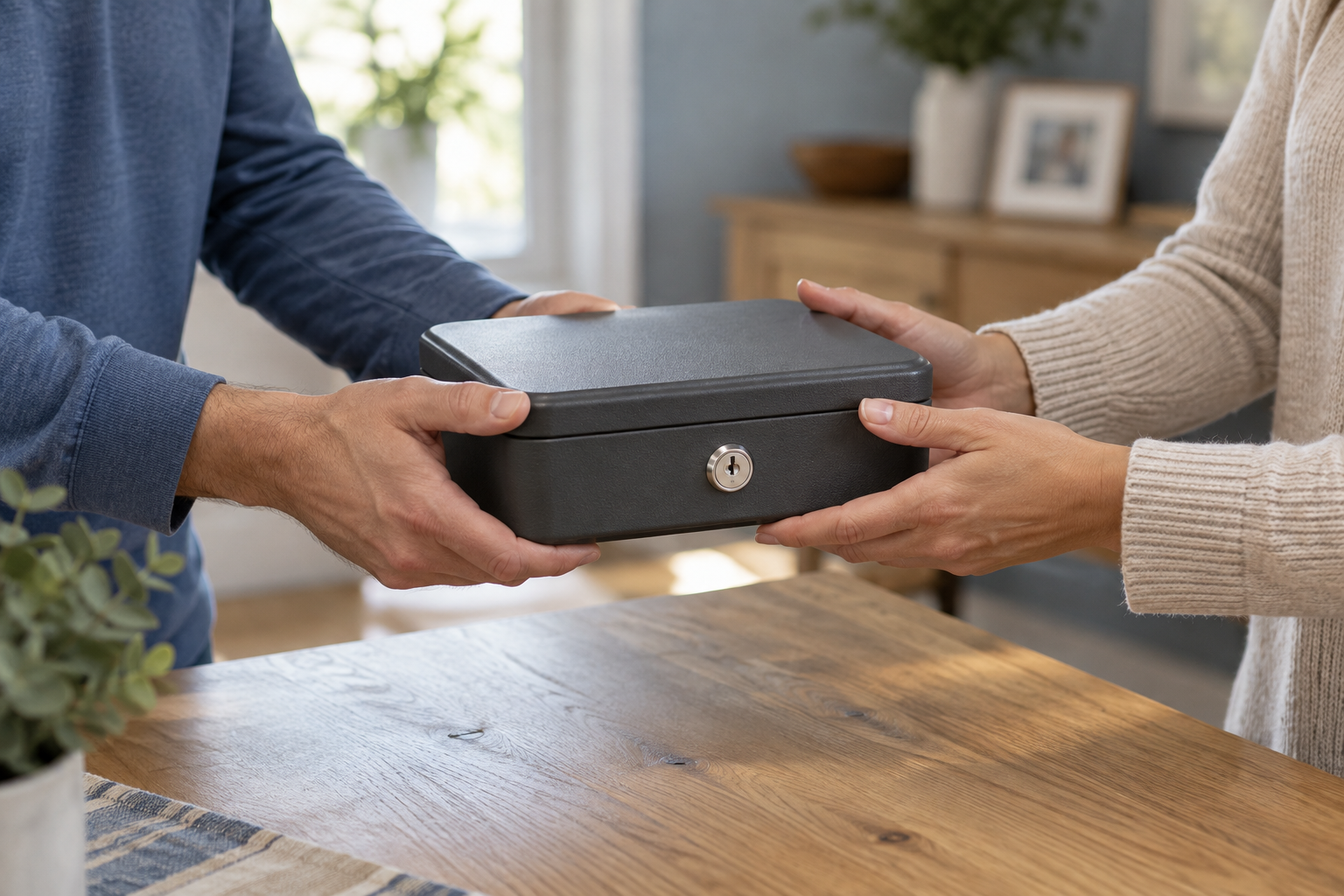
None of this requires giving up firearm ownership, or taking a side in a larger political debate. It only means adopting practical, secure storage practices and believing a hard season doesn’t have to end in permanent loss — and that a little distance can be the thing that makes room for help to arrive.
NAMI Arkansas is the NAMI State Organization for Arkansas, part of the National Alliance on Mental Illness — the nation’s largest grassroots mental health organization, with more than 650 state organizations and affiliates nationwide. Through programs like our HelpLine, support groups, classes and workshops, and community partnerships across the state, NAMI Arkansas works every day to make sure no one navigates mental illness alone. Learn more at namiarkansas.org