

From New Shooter to Confident Marksman: Simple Tips to Build Confidence at the Range
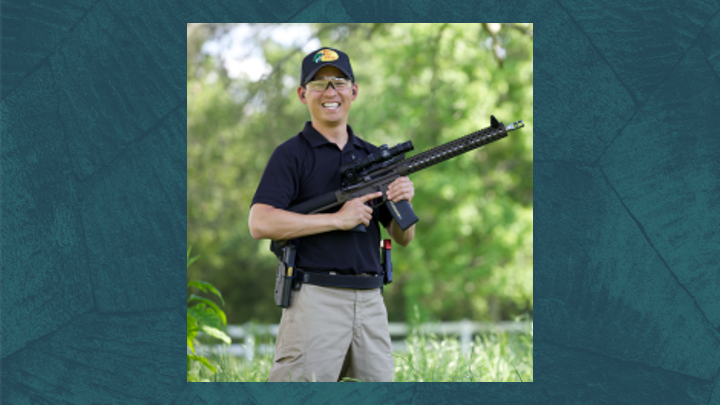
August is National Shooting Sports Month®, meaning now is the perfect time to get back in the range, try something new or help a friend take their first shots.
When it comes to the shooting sports, I know firsthand everyone starts somewhere. Before I became a professional marksman and won Season 4 of Top Shot, I was a regular guy working at Google who was curious about the shooting sports and wanted to work on my aim.
I did what a lot of us do when we want to learn a new skill: I went online. I watched YouTube videos, looked for tips and tried to get a grasp on the basics by honing my technique.
In other words, I was a total gun newb. That is a good place to start. Being new to something means you’re learning and building good habits from the beginning, which is exactly what success in the shooting sports requires. I’ve always believed the firearms community is stronger when it is welcoming, diverse and safety oriented. Whether you grew up around firearms or are just beginning to learn, there is a place for you in the shooting sports.
So, if you’re a gun newb like I was, here are a few simple, practical tips to help you get started with a handgun.
Start Small and Understand Your Firearm
One of the first things new shooters often ask me is what caliber handgun they should start with. Caliber refers to the diameter of a bullet at its widest point. You can usually find the caliber of your bullet stamped on the back of the cartridge, or on its box. Many pistols have the caliber of bullet they take stamped directly on the firearm.
For beginners, a smaller caliber handgun like, .22 LR or 9mm, can feel more approachable. This is because they generally create less recoil when fired, making them a common starting point for many shooters.
Still, there is not one “perfect” starter firearm for beginners. Everyone is different; comfort, experience and proper fit are all important factors in determining what your first handgun should be.
For example, larger-caliber handguns like .45 ACP can be a great fit for some shooters, though they are often more challenging for beginners, who have not had as much experience building confidence and control.
If you are unsure what caliber ammunition your handgun uses, or if something is not clearly marked, do not guess. Take it to a local gun shop or range to find a professional who can safely evaluate it.
Get a Grip on the Basics
Good shooting starts with good fundamentals, and grip is one of the most important. A helpful way to think about handgun grip is the 70/30 rule: 70 percent of your grip pressure should come from your support hand, while about 30 percent should come from your shooting hand. This rule ensures your support hand manages recoil and keeps the firearm steady, while your shooting hand is relaxed enough to let you focus on smooth trigger control.
Trigger control matters because small movements can affect where your shot lands. Think smooth and steady, not rushed. A controlled trigger press helps you stay consistent and avoid jerking the firearm off target.
Before you take your shot, take a steady breath, settle yourself and focus on keeping your body calm and stable. Shooting well is not about muscling through it. It is about repeatable habits, patience and control.
Practice Before You Even Get to the Range
One of the most cost-effective ways to improve your shooting technique is dry fire practice, which means practicing pulling the trigger of an unloaded firearm. Dry fire can help you build familiarity with your grip, stance, sight picture and trigger control without using ammunition.
Safety must come first every time. Before dry firing, remove all ammunition from the area and place it in a separate room. Then, double-check to confirm your firearm is unloaded. If you are new to dry fire practice, ask a certified instructor or experienced range professional to walk you through the process before doing it on your own.
Repetition is where confidence comes from. You do not need to rush. A few safe, intentional practice sessions can help you build muscle memory and feel more prepared the next time you visit the range. Before competing on Top Shot, I dry fired tens of thousands of times.
Make Safety the Habit That Guides Everything
The best shooters treat firearm safety as a consistent, everyday habit, not something to turn on and off. It is the foundation for everything else. Here are the four rules to keep top of mind:
- Always keep your firearm pointed in a safe direction. At the range, that usually means downrange, never to the left, right or behind you.
- Always keep your finger off the trigger until you are ready to shoot.
- Always keep your firearm unloaded until you are ready to use it.
- Always know your target and what is beyond it. Bullets can travel through targets, so having an appropriate backstop is essential.
These rules may sound simple, but simple does not mean optional. They are the core habits that keep shooting sports safe and enjoyable for everyone.
I also recommend checking out Project ChildSafe’s website to access free resources on secure storage, such as their Range of Options resource. This resource is an excellent place to start as you determine where to keep your firearm when you’re not on the range. Secure storage helps prevent unwanted access to your firearm and helps prevent accidents, theft, misuse and suicide. It’s just as important as safe handling.
Ask Questions and Keep Learning
Perhaps the best advice I can give any new shooter is this: do not be embarrassed to ask questions.
Nobody starts as an expert. I learned by researching, watching, practicing and listening to people who knew more than I did. I also brought lessons from other parts of my life, including music, baseball and my work in tech.
Stay curious. Stay humble. Take a class. Work with an instructor. Most importantly, learn from people who prioritize safety and responsibility.
National Shooting Sports Month is a great reminder that this community is built by people who show up, help each other and make safety part of the culture. Whether you are a gun newb like I was, getting back into shooting or helping someone else take their first steps, the goal is the same: build confidence, build skill and do it responsibly.
Chris Cheng is a champion American sport shooter, winner of the History Channel’s Top Shot Season 4 and author of the book “Shoot to Win, which offers tips for new gun owners and shooters. A proud believer in personal liberty, he serves on the boards of the Asian Pacific American Gun Owners Association and Operation Blazing Sword/Pink Pistols, pro-gun liberty organizations for Asian and LGTBQ Americans, respectively. Cheng is also the author of Proven in Blood: A Novel of War, Betrayal & Belonging, a novel inspired by the extraordinary true history of the Japanese American soldiers who served in World War II. He is currently running a campaign to fund the self-publication of the book and a nationwide tour to share the story of courage and resilience. Cheng is a former staff writer for The Firearm Blog and has appeared in Gun Stories with Joe Montagna, among other media outlets.