

A Conversation with Rick Leach
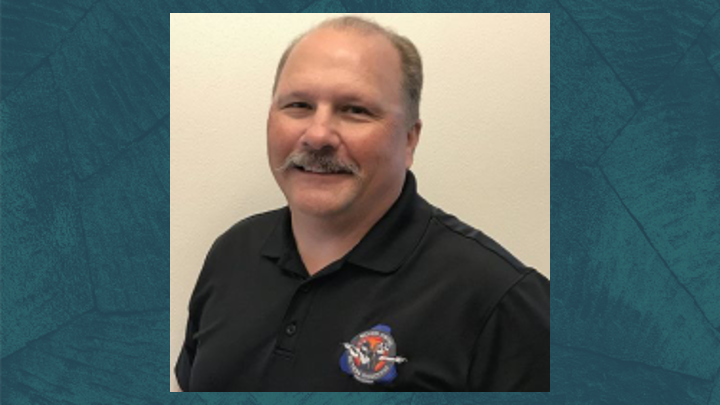
In recognition of August as National Shooting Sports Month, we were pleased to have a brief interview with Rick Leach, President and Executive Director of the Scholastic Shooting Sports Foundation (SSSF). SSSF is an educational-athletic organization dedicated to providing shooting-sports education and opportunities to school-age youths around the U.S. to encourage young athlete personal growth and development. We asked Rick for his thoughts on a range of issues, from common myths about youth shooting sports to how athletes in the shooting sports can help promote firearm safety in their communities. We hope you enjoy the conversation!
Project ChildSafe: What are some of the biggest myths about youth shooting sports, and what should people really know?
Rick: One of the biggest misconceptions is that they are dangerous. In reality, organized youth shooting sports are among the safest activities because safety is the foundation of everything we do. Before our athletes ever step on the firing line, they learn proper firearm handling, muzzle control, range commands, personal responsibility and respect for their equipment — creating habits that keep everyone on the range safe. These are habits that are reinforced every time they step on the range by trained, certified coaches and range safety officers.
Research has shown organized shooting sports have an incredibly low injury rate, even lower than recreational walking. This fact often surprises those unfamiliar with the sport.
Our youth programs do much more than teach young athletes how to shoot. Our programs are developing discipline, accountability, focus, patience and confidence. Athletes learn to make safe, thought-out decisions under pressure while building lifelong habits of responsibility and respect. The character development and emphasis on safety are what define youth shooting sports, with the competition itself only being a piece of the experience.
Project ChildSafe: What kind of obstacles to youth shooting programs face especially in schools, and what can be done to overcome them?
Rick: We see opportunities to educate, rather than “obstacles.” Some schools and districts understandably may have misconceptions or questions about what youth shooting sports look like. Often, these concerns come from unfamiliarity rather than firsthand experience.
With open communication and education, school administrators and educators learn about the extensive safety protocols, certified coach training and the structured environment our programs provide, and come to realize that safety is the cornerstone of everything we do. There are also opportunities for students who may not find their place in traditional athletics.
Project ChildSafe: What are the most important things you hope young people learn from participating in a scholastic shooting sports program?
Rick: At the Scholastic Shooting Sports Foundation, we often say that we are a youth development organization first, and a shooting sports organization second. While athletes certainly develop marksmanship skills, the most valuable lessons happen off the range.
Through our programs, athletes learn leadership, teamwork, discipline, perseverance, and the value of hard work. They learn how to set goals, overcome challenges, and handle both victory and defeat with humility and resilience. All these experiences teach them accountability, confidence and respect — qualities that extend far beyond competition.
Our hope is every athlete leaves our program not only as a better competitor, but as a better person. The life skills they develop with our programs prepare them to become responsible adults, engaged members of society, and the next generation of leaders in their communities and across our great country.
Project ChildSafe: What kind of an emphasis do you (and your athletes) put on storing firearms securely when they are not in use and why?
Rick: Safe and responsible firearm handling is one of the core principles of the Scholastic Shooting Sports Foundation, and this responsibility extends beyond when an athlete leaves the range. Secure storage is an essential part of firearm safety and something we emphasize with every athlete and family.
We teach responsible firearm ownership includes knowing how to safely handle, transport, and securely store firearms when they are not in use. With proper storage, athletes and families are able to help prevent unauthorized access to firearms, reduce the risk of accidents and reinforce the habits of responsibility that we work to instill throughout our programs.
One of our goals is to help young people develop a lifelong mindset of safety. By ensuring secure storage is a routine part of responsible firearm ownership, we are protecting families and teaching athletes safety is a responsibility they carry both on and off the range.
Project ChildSafe: What role do you think scholastic shooting sports athletes could play in promoting firearm safety in their communities?
Rick: Scholastic Shooting Sports athletes have the opportunity to be leaders and role models in their schools and communities. Because safety is woven into every aspect of our programs, our athletes naturally become ambassadors for responsible firearm ownership and handling.
Athletes demonstrate what safe firearm practices look like every time they step onto the range, and they carry those habits with them far beyond competition. Whether they’re talking with peers, mentoring younger athletes or simply answering questions from people who are unfamiliar with the shooting sports, they have the ability to share the importance of firearm safety and responsible ownership through both their words and their actions.
It is our hope that our athletes leave our programs with the confidence to educate others, lead by example, and help foster a culture where firearm safety is understood, practiced and valued.